Chemical & ADR Dangerous Goods Road Freight from Turkey: Tunnel Codes, Classifications & Safety Standards
Technical guide to transporting hazardous chemicals from Turkish industrial hubs to Europe under the UN ADR treaty: Classes 2–9, EX/II and EX/III certified equipment, SRC-5 licensed drivers, trans-Alpine tunnel restriction codes (A–E), and REACH customs compliance.
- Road transport of hazardous chemical substances between Turkey and Europe requires strict adherence to the UN ADR agreement covering Classes 2 through 9.
- Transport units must possess EX/II or EX/III certifications, reflective orange hazard plates with UN/Kemler codes, and drivers holding valid SRC-5 ADR licenses.
- Alpine tunnel restrictions (Categories B through E) require specialized routing, often effectively bypassed via Mediterranean Ro-Ro sea bridges directly to Trieste.
- Turkish chemical exports undergo mandatory 16-section Safety Data Sheet (SDS) verification, UN-approved certified packaging checks, and specialized REACH customs clearance.
- 1. The ADR Regulatory Framework: 9 Dangerous Goods Classes and Turkish Industrial Chemical Export
- 2. Vehicle & Driver Standards: EX/II, EX/III Trailers, Spark Arrestors & SRC-5 Licensing
- 3. Trans-Alpine Routing & Tunnel Restriction Codes (Categories A through E)
- 4. Packaging, Labeling & Documentation: 16-Section SDS, Kemler Codes & Orange Reflective Plates
- 5. Crisis Prevention & Spill Containment: TMGD Safety Advisors & Emergency Action Procedures
1. The ADR Regulatory Framework: 9 Dangerous Goods Classes and Turkish Industrial Chemical Export
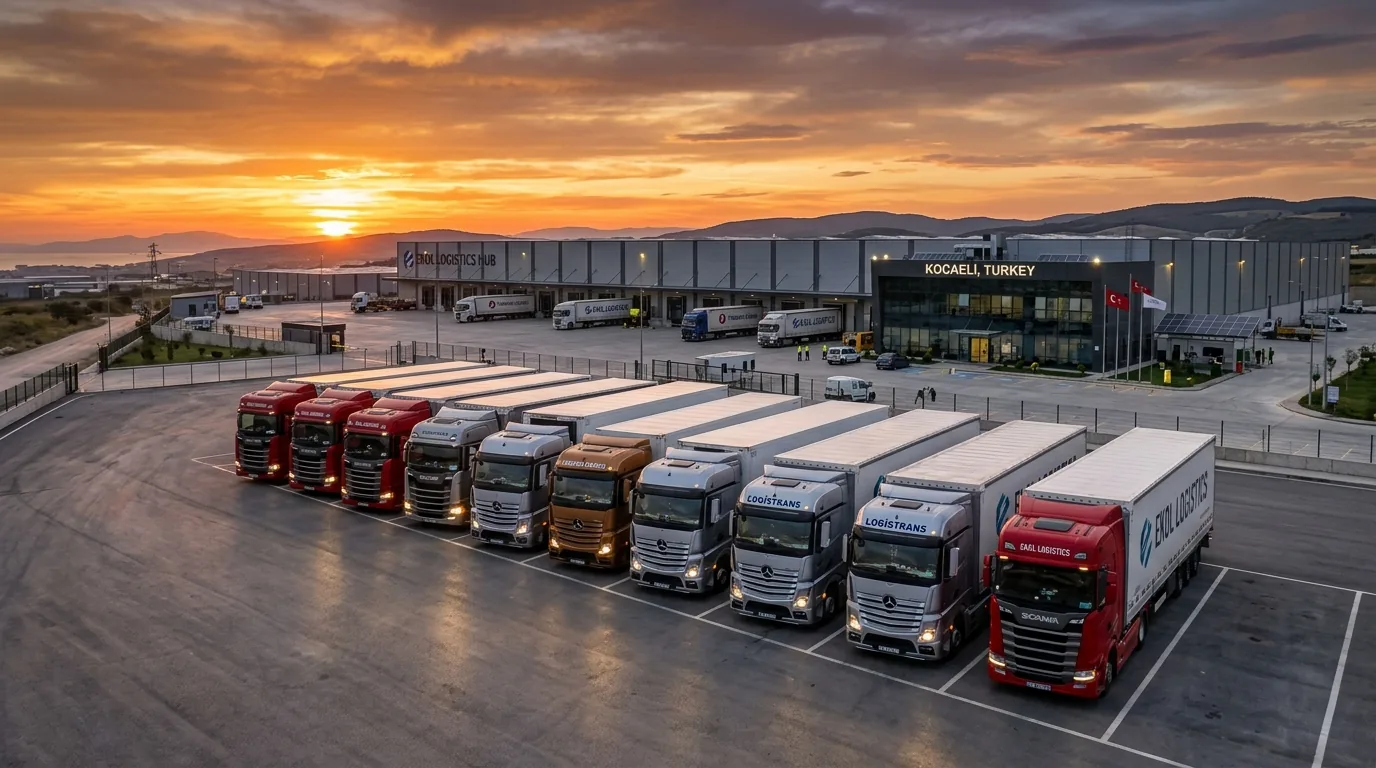
Turkey's petrochemical and industrial manufacturing hubs in Kocaeli (Dilovası, Gebze), İzmir (Aliağa), and Adana produce millions of tons of specialty chemicals, polymers, industrial paints, and agricultural reagents destined for European manufacturing clusters. Transporting these commodities across European highways requires rigorous compliance with the Agreement concerning the International Carriage of Dangerous Goods by Road (ADR).
Under UN ADR criteria, dangerous goods are categorized into 9 distinct hazard classes. While Turkish forwarders routinely handle Classes 2 through 9, each category imposes distinct technical mandates regarding vehicle fire suppression, static grounding, and segregation rules.
Regulatory Distinction: Class 1 (Explosives) and Class 7 (Radioactive substances) are subject to specialized ministerial transit authorizations and police convoy mandates across all transit nations.
2. Vehicle & Driver Standards: EX/II, EX/III Trailers, Spark Arrestors & SRC-5 Licensing
A standard curtainside trailer is legally prohibited from hauling packaged hazardous chemicals. ADR-certified equipment must integrate factory-installed safety technologies:
- EX/II and EX/III Certified Bodywork: Flame-retardant materials, spark-shielded electrical cabling, and mechanical battery master cutoff switches.
- Exhaust Spark Arrestors: Exhaust pipes positioned away from the load area equipped with certified spark traps.
- Chemical Spill Kits: Acid/alkali neutralizers, non-sparking shovels, drain seals, and personal protective equipment (PPE).
Operating drivers must hold an active SRC-5 ADR Driver Training Certificate. Refreshed every five years through certified training and practical spill control drills, this license is legally recognized by European road enforcement authorities (BAG / BALM, DGT, Gendarmerie).
3. Trans-Alpine Routing & Tunnel Restriction Codes (Categories A through E)
The primary operational obstacle in overland transit between Turkey and Western Europe is navigating Alpine mountain passes. Under ADR Chapter 1.9, European tunnels are classified from Category A (no restrictions) to Category E (total prohibition of hazardous materials):
| ADR Commodity | Primary Hazard | Tunnel Restriction Code | Recommended Transit Corridor |
|---|---|---|---|
| Class 3 (Flammable Liquids: Resins, Solvents) | Flash Point < 23°C (Packing Group II) | D/E (Restricted) | Pendik/Yalova ➔ Trieste Ro-Ro ➔ Brenner Pass |
| Class 8 (Corrosives: Hydrochloric, Nitric Acids) | Severe Dermal & Metal Corrosion | E (Most Restrictive) | Trieste Maritime Sea-Bridge ➔ Direct Rail Link |
| Class 9 (Lithium Batteries, Environmentally Hazardous) | Thermal Runaway, Marine Pollutant | E (Permitted in A/B/C/D) | Kapıkule Overland Highway Corridor |
4. Packaging, Labeling & Documentation: 16-Section SDS, Kemler Codes & Orange Reflective Plates
Every commercial chemical export must be backed by a certified 16-section Safety Data Sheet (SDS) translated into the official languages of the transit and destination countries. The transport document must explicitly declare the UN Number, Proper Shipping Name (PSN), ADR Class, Packing Group, and Tunnel Code (e.g., UN 1263 PAINT, 3, PG II, (D/E)).
Transport units must display retro-reflective orange hazard plates front and rear. For tanker movements or dedicated bulk loads, the upper half displays the 2- or 3-digit Kemler Hazard Identification Number (HIN), while the lower half displays the 4-digit UN substance number.
5. Crisis Prevention & Spill Containment: TMGD Safety Advisors & Emergency Action Procedures
- Certified DGSA / TMGD Supervision: In-house Dangerous Goods Safety Advisors (Tehlikeli Madde Güvenlik Danışmanı) audit packaging integrity and cargo segregation before departure.
- Instructions in Writing (Emergency Card): Multi-language ADR emergency response instructions must be placed within immediate driver reach in the tractor cab.
- Pre-Loading Vehicle Inspection: Check fire extinguisher inspection stamps, wheel chocks, amber warning beacons, and emergency eye-wash bottles.
- REACH & ECHA Compliance: Verify the EU consignee or Only Representative (OR) holds valid registration numbers under Regulation (EC) No 1907/2006 for chemical clearance.
Frequently Asked Questions
1Which ADR dangerous goods classes can be transported by road between Turkey and Europe?
2What certifications are required for drivers carrying hazardous chemical cargo?
3How do Alpine tunnel restriction codes affect route planning?
Certified ADR Dangerous Goods Transport to Europe
Zero compliance risk. Request competitive rates for ADR road freight, licensed tank containers, or Ro-Ro hazardous chemical logistics.
Brosan Lojistik is a fully licensed international freight forwarder and member of TİO and UND, operating asset-backed transport networks from Turkey to Europe, the UK, and global trade corridors.